WELCOME TO THE KINGDOM OF UGBO!
The Ugbo Kingdom is a kingdom in Ilaje local government area of Ondo State, South West Nigeria, with its capital in Ode Ugbo. The people of Ugbo Kingdom are predominantly fishermen
Ugbo Administration
Ugbo Kingdom consists of sixteen quarters and is headed by appointed chiefs according to their traditions and customs. One of the heads of the quarters, called Chief Gbogunron, is responsible for putting the traditional ritual leaves on the newly appointed King on coronation day
Ugbo Geography
Ugboland is located along the coastal shores of south-western Nigeria. Close neighbors of Ugbo people include the Ikales, the Itshekiris, the Ijaws, the Apois, the Ijebus, and the Edos. Ugboland occupies the coastline of the South-Western region of Nigeria in the current Ondo State. The entire area consist coastal landmarks, creeks, rivers and lagoons. It is within the western zone of the Niger Delta beginning from the Bight of Benin in the East, and all the way from Oghoye through several Ugboland creeks to Abetobo.
Ugboland is situated on an elevation of between 1.0 and 1.5 meters above sea level. It is plainly plain as there is no presence of any hill.
THIS SITE IS UNDER CONSTRUCTION
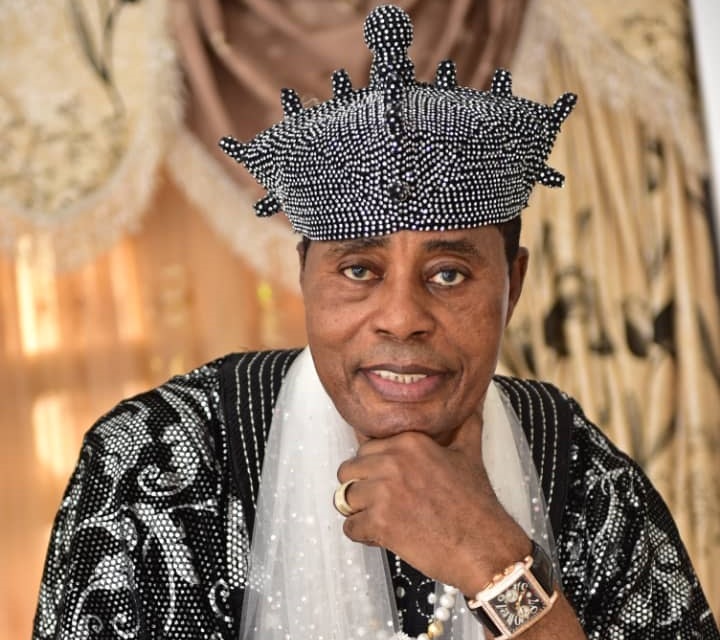
THE KING – OLUGBO
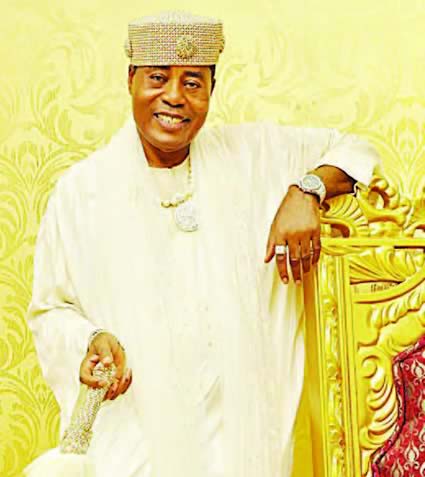
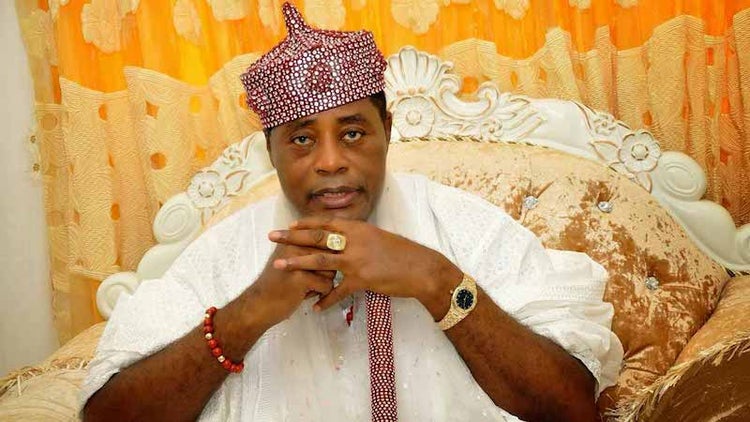
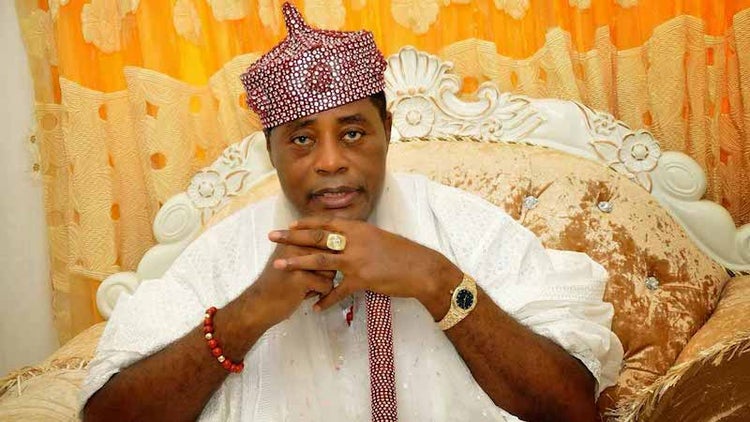
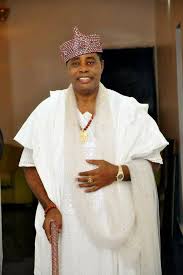
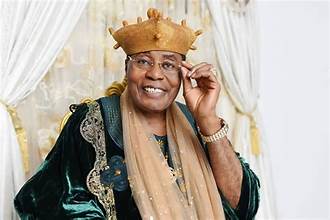
His Imperial Majesty, King – Oba (Dr.) Frederick
EnitiOlorunda Akinruntan (CON). The Paramount Ruler and Prescribed Authority, Olugbo of Ugboland, His Imperial Majesty, Oba (Dr.) Frederick EnitiOlorunda Akinruntan (CON).
Oba Akinruntan who is the Chairman, Ondo State Council of Obas(kings).
Oba Akinruntan led his people through the turbulent times of the outbreak and upsurge in the dreaded Coronavirus pandemic, and also saw them through the unprecedented #EndSARS protest that hoodlums hijacked, which led to massive destruction of public and private property in the country.
The Ugbo – Ilaje language
The Ugbo-Ilaje is a language spoken by the Ugbo people in ilaje, Ondo State, Nigeria. It is a part of the linguistic diversity of Nigeria, with its unique vocabulary, grammar, and phonology. The Ugbo-ilaje language plays a significant role in preserving the cultural heritage of the Ugbo community, reflecting their traditions, beliefs, and way of life. As a means of communication passed down through generations, Ugbo-ilaje language holds a special place in the identity of its speakers, serving as a vital link to their history and ancestry. Through the use of oral traditions, storytelling, and everyday conversations, the language continues to thrive and adapt to modern times, contributing to the rich tapestry of Nigerian linguistic heritage.
THIS SITE IS UNDER CONSTRUCTION
Ugbo History – Moremi the Traitor of Ugbo Kingdom
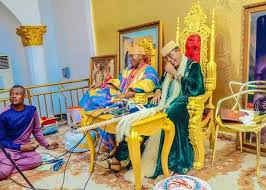
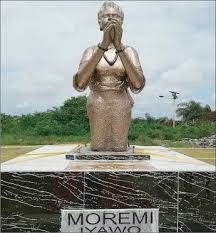
In the aftermath of a giant statue of Moremi, a Yoruba heroine unveiled in Ile-ife in November 2016, the Olugbo of Ugbo, Oba Frederick Obateru Akinruntan, yesterday unveiled a diminutive but submissive statue of the Yoruba goddess as a “traitor”. The event, which took place at his palace in Ode Ugbo, at Ilaje local council of Ondo State, saw many Yoruba traditional rulers, historians and students of Obafemi Awolowo (OAU) Ile-ife and Adeyemi College of Education, Ondo in attendance.
The monarch said the unveiling of Moremi statue in Ugbo became necessary because she was a wife of his forefather “but she betrayed her husband by telling Ife warriors the secret of Ugbo warriors that were repelling Oduduwa warriors at Ile-ife.” The statue shows the heroine kneeling down, which the monarch interpreted to be “begging her husband for forgiveness”
The Moremi statue unveiled at Ile-ife by Ooni of Ife, Oba Adeyeye Enitan Ogunwusi, is 42-feet, which portrayed her as a liberator. Oba Akinruntan said with the unveiling of the statue, he has corrected some distortions in history of Yoruba and Ile-ife. He said: “I stand for the truth and I am ready to prove that truth to all lovers of truth. We should stop telling lies that have been causing confusion in our land. For many years, one side of Yoruba history has been told and this is time to let people know those areas people have been silent about. Yoruba did not start with arrival of Oduduwa at Ile Ife, he met some 16 communities that Olugbo Obamakin Osangagan was ruling over. But unknown to many Moremi that many people have been ignorantly deified as a goddess did not descend from heaven, she was Olugbo’s wife. She gave birth for our forefather but later betrayed her husband.”
Source: https://www.pressreader.com/nigeria/the-guardian-nigeria/20180809/281517931946725
Ugbo Climate and Vegetation
Ugboland is in the swampy mangrove forest zone, being located in this region therefore, the temperature fluctuates according to the frequency of rainfall. Usually, the area has two distinct seasons i.e. rain and dry season. The rainy season is usually lengthy because of the location of the area, it last for about nine months within a year with about 2500mm per annum of rainfall, which falls between February and November every year. The dry season last for three months because of the location of the region, it starts from November and end in February when the rainy season starts. The temperature of the area fluctuates between 22 °C in the rainy season and 28 °C in the dry season.
The climatic condition of Ugboland does encourage forest growing. The place is situated and serves areas which are largely in the tropical monsoon climate. The lands with three distinct seasons, (cold, hot and rainy) exert great influence on the appearance of the vegetation. The trees are fairly tolerant of local, physical and climatic conditions to survive. They grow rapidly in the rainy season, shed their leaves during the hot/dry season and remain comparatively inactive in the cool season. Trees are normally deciduous since they shed their leaves during the hot dry season to withstand excessive transpiration.
Ugbo Economy
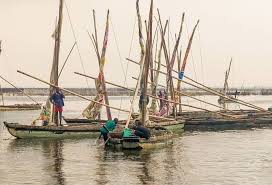
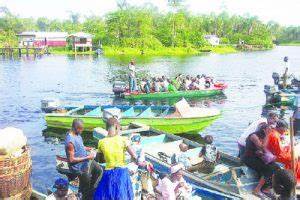
Expectedly, the people of Ugboland are predominantly fishermen and salt-makers which make them depend very much on water and consequently their close attachment to water elements. The Ugbo people and their other Ilaje kinsmen are all over the world engaged in high seas as well as in shallow waters.
The Ugbo people are also into the timber trade. With the aid of the waterways, several logs of timber are ferried from the Ilaje and Ikale settlements through the lagoon route to the various sawmills situated along the water fronts of Ebute-Metta, Epe in Lagos State as well as Sapele in Delta State.
The amiable people of the Ilaje stock also engage themselves in other fishing-related activities such as the production of fish traps (Igere) with the raw materials solely from the raffia palms that are obtainable from palm trees that dot the entire landscape of Ugboland. The people are also into fishing net making as well as its repair.
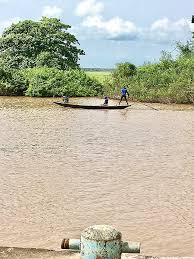
The Ugbo-Ilaje use canoes in their several sizes, to transport people from one location to the other along the creeks and these are also used for buying and selling from one settlement to the other. Due to the industrious nature of the Ugbo people their trade, transportation and fishing activities go as far as Warri, Sapele, Port Harcourt, Calabar, Escravos, Bonny Island and other neighboring countries such as Cameroon, Gabon, Benin Republic, Togo, Ghana and up until Côte d’Ivoire.
Because of the availability and abundance of palm trees in their assorted forms, the Ugbo people, expectedly also engage in the distillation of alcoholic drinks. After production, the drinks are taken to other places such as the south-western and south-eastern parts of Nigeria where they are in high demand. This trade has really helped to boost the economy of the Ugbo people.
In addition to the occupations and economic activities listed above, there are numerous indigenes that are traders, tailors, barbers, hair-dressers, bricklayers, builders, drivers, drummers, musician, sailors, fishing trawler captains and engineers, ferry-captains/engineers and singers, herbalists, mechanics, diviners and fortune-tellers, hunters, blacksmiths, etc.
Unlike their forefathers who engaged in serious occupation of fishing, modern day Ugbo people are occupied with professions in the fields of banking, education, oil and gas, health, and so on. Several banks belonging to various generations are not in short supply in Ugboland. Oil and Gas installations abound in their numbers such as Chevron, Agip, express, Conoil etc. While schools and hospitals, both government and privately owned, dot the entire landscape of the kingdom.
Ugbo people are sociable and they enjoy relaxation in no small measure. Boat regatta is particularly cherished in Ugbo Kingdom.
Ugbo Kingdom Settlements
The terrain of Ugbo broadly determines the kinds of settlements pattern as well as their predominant occupation which is fishing and salt-making. Accordingly, most towns and villages in Ugboland were operational fishing camps grown into large circuits. Also, many folklores myths and festivals celebrated by the people are associated with water, fishes, fishermen and the deep sea. The settlements of Ugboland are in three broad categories and could be itemized as:
– Salt Water Area: this is by the coast of the sea and the settlement pattern here is linear. The sea shore is extensive and the people have a linear pattern of settlement along the coast.
– Brackish Water Area: this is as you move away from the sea shore and approach the hinterland. The settlement pattern here is linear but broader than the salt water area.
– Fresh Water Area: this is where the presence of vegetation is much more visible. More people settle in this zone making it more densely populated. Some call this area “Ilaje-Ugbo” i.e. “Ilaje of the forest” and it is usual to find Ugbo children learning the rudiments of swimming and fishing in this area.
The people of Ugboland as well as other Ilaje groups can be considered among the most migrating professionals in Africa and the West African coast in particular where they constantly look out for more amiable fishing areas. Due to their commitment to wholesale ocean fishing, they hold the ace as fishing experts in the coasts of Cameroon, Gabon, Benin Republic, Togo, Ghana up to Ivory Coast and beyond where they are the stock of the professional fishing groups.
Furthermore, in Nigeria, the people of Ugboland can be found as leaders of their trades in many fishing communities of Ogun State (Ode, Elefan, Makunetc), Lagos State (Badagry, Epe, Ajah, Lekki, Ajegunle, Apapa, Ikorodu, Bariga, Makoko, Ijoraetc), Delta State (Ago-Kutu, Surulere, Agogboro, Costain, etc.). Large communities of Ugbo people can also be found in Rivers, Cross Rivers, Akwa-Ibom as well as in Lokoja, Shiroro and Kainji area, as well as other countries
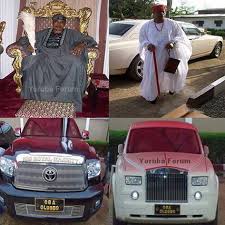
The traditional ruler of Ugbo Kingdom is titled “Olugbo of Ugbo Kingdom” and the incumbent Olugbo of Ugbo Kingdom, Fredrick Obateru Akinruntan, is ranked by Forbes magazine as the 2nd richest king in Africa and the richest in Nigeria. He surpassed King Olubuse II, the Ooni of Ife, with $225 million and the billionaire King Mswati III of Eswatini by over $200 million to become Africa’s second richest king in 2014
Ugbo Communities
Ugbo Culture
THIS SITE IS UNDER CONSTRUCTION
Ugbo Foods
THIS SITE IS UNDER CONSTRUCTION
Ugbo Traders
THIS SITE IS UNDER CONSTRUCTION
Ugbo Fishing
THIS SITE IS UNDER CONSTRUCTION
Ugbo Farming & Agriculture
THIS SITE IS UNDER CONSTRUCTION
Ugbo Youths
THIS SITE IS UNDER CONSTRUCTION
Chiefs and Leadership
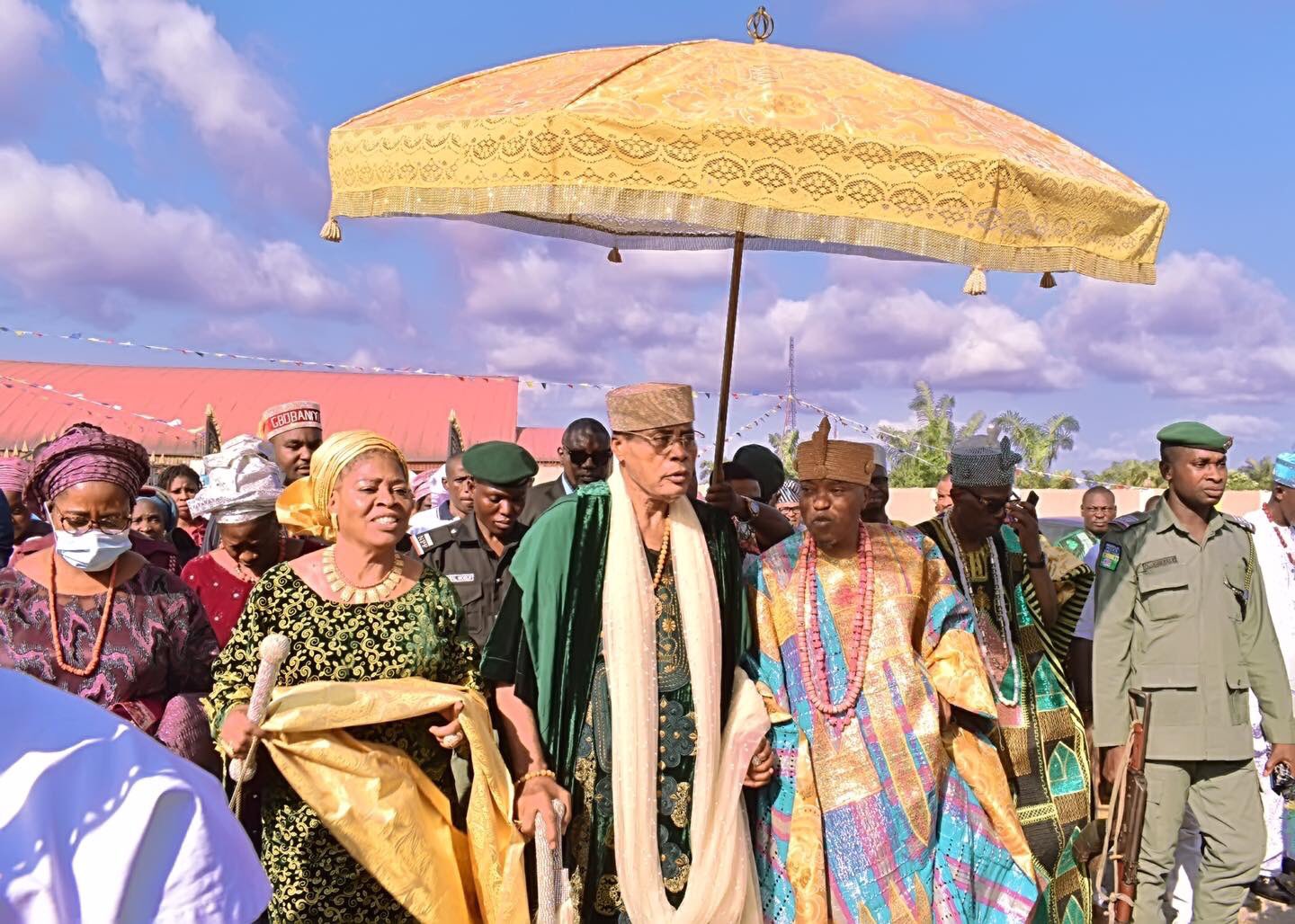
high Chief
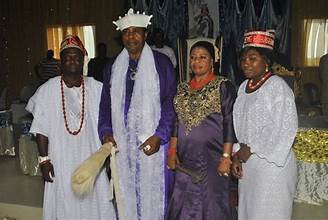
high chief
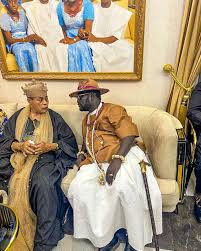
chief
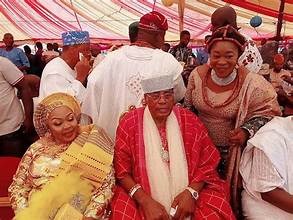
priest
Reviews
“Great start.”
Adewale
Lagos, Nigeria
“Keep it up!.”
John
London, UK
“Beautiful Idea!.”
Adeola
Texas, USA
“Excellent!.”
Yemi
Abuja, Nigeria
-

THIS SITE IS UNDER CONSTRUCTION
-

THIS SITE IS UNDER CONSTRUCTION
-

THIS SITE IS UNDER CONSTRUCTION
Subscribe To Ugbo News

Contact us
Welcome to a world of Ugbo kingdom! where there are limitless possibilities, where the journey is as exhilarating as the destination, and where every moment is an opportunity to make your mark on the canvas of Yoruba existence. The only limit is the extent of your imagination.
Location
Ugbo, Ondo State, Nigeria, is located in West Africa.
 UGBO KINGDOM - ILAJE, ONDO STATE, NIGERIA, AFRICA